
Among the Sensex firms, UltraTech Cement, JSW Steel, Tata Motors, Bharti Airtel, State Bank of India, Larsen & Toubro, Infosys and Bajaj Finserv were the major gainers. On the other hand, NTPC and Tech Mahindra were the laggards.

Investor sentiment remained upbeat on narrowing trade deficit and sustained foreign fund inflows.

Tata Steel was the biggest gainer in the Sensex pack, rallying 5.78 per cent; followed by Yes Bank, NTPC, L&T, Axis Bank, SBI, M&M, HDFC twins, Vedanta, HUL, PowerGrid, ICICI Bank, Kotak Bank, HCL, TCS and ITC, gaining up to 3.79 per cent.
Yes Bank was the biggest gainer in the Sensex pack, rallying 4.06 per cent. Other gainers were Coal India, Infosys, PowerGrid, Vedanta, Reliance, TCS, HUL, ONGC, HCL Tech, IndusInd Bank, HDFC Bank and Asian Paints, gaining up to 2.72 per cent.

SBI was the biggest loser in the Sensex pack, tumbling 3.29 per cent, followed by Tata Steel, ICICI Bank and Maruti, which shed up to 2.76 per cent.

Persistent capital inflows by domestic institutional investors and retail investors kept the markets in fine nick

Tata Steel fell the most by 4.21 per cent. NTPC, Tata Motors, HCL Technologies, Mahindra & Mahindra, State Bank of India, Power Grid, Tech Mahindra, Larsen & Toubro and JSW Steel also declined. HDFC Bank was the only gainer from the pack. In Asian markets, Seoul, Tokyo and Hong Kong settled in the positive territory while Shanghai ended lower.

The initial public offering (IPO) market has come to a grinding halt due to sharp correction in the broader markets and uncertain outlook created by the Russia-Ukraine offensive. So far this year, only three companies have managed to launch their maiden share sales. In comparison, close to 10 companies were able to come out with their IPOs during the same period last year. Investment bankers say it will be challenging to launch a single deal in March as large institutional investors have turned extremely risk-averse and don't wish to commit any capital.

HCL Tech and ONGC were the top gainers in the Sensex, rising up to 3.40 per cent.

Among the Sensex firms, Kotak Mahindra Bank, Axis Bank, Bharti Airtel, Sun Pharma, HCL Technologies, Mahindra & Mahindra, Titan and Tata Consultancy Services were the biggest gainers. UltraTech Cement, NTPC, Maruti, JSW Steel, Power Grid and Tata Motors were among the laggards.

Wall Street-correlated stock markets are facing the risk of correction, as Christopher Wood, the global head of equity strategy at Jefferies, conveys to investors in his latest edition of GREED & fear. Rising crude oil prices, which are nearing $100 a barrel (Brent), pose a threat to the global central bank's battle against inflation and have led to a re-evaluation of its exposure to Indian stocks. "The potential for more US Federal Reserve (Fed) rate hikes, combined with the risk that monetary tightening finally bites as regards the economy, remains a risk for Wall Street-correlated world stock markets. "There is also the oil factor. This is why GREED & fear continues to believe the pain trade is down. "Areas in Asia, such as Indian midcaps, which have already done very well, are at obvious risk of some profit-taking," writes Wood.

Bonuses are typically commensurate with deal activity in any given year. Investment banks, on average, pocket 2-3 per cent as fees for managing an IPO and 1.5-2 per cent for handling QIPs.

Bharti Airtel, Bajaj Finance, Bajaj Auto, Reliance Industries, Tata Motors, SBI, HUL, NTPC, ONGC, ITC and Asian Paints rose up to 2.19 per cent.

Top losers in the Sensex pack included IndusInd Bank, Bajaj Finance, Tata Motors, Tata Steel, Hero MotoCorp, Axis Bank, M&M, Vedanta and Maruti, falling up to 3.50 per cent.

'We have relatively strong growth and a healthy corporate earnings cycle as positives, but a worrisome current account deficit and high inflation as challenges.'

US prosecutors' case against Gautam Adani and others may stumble on the extraterritorial application of American law.

Foreign portfolio investors (FPIs) and mutual funds (MFs) have put in more money as anchor investors in initial public offerings (IPOs) in 2021 than any other year. FPIs' share of investments for the year stood at Rs 24,477 crore, nearly six times that put in last year and more than nine times the amount invested in 2019, the data from Prime Database showed. MFs have invested Rs 12,264 crore, four times than that invested last year and more than 10 times the investment in 2019. The total investment by FPIs and MFs put together this year is five times the amount invested last year. The amount contributed by MFs, however, is nearly half of that invested by FPIs.
As many as 267 of 453 companies from the BSE500 index are trading above their consensus price targets, according to the data compiled by Bloomberg. Not all companies in the BSE500 index are tracked by analysts.

From the Sensex basket, Larsen & Toubro, Maruti, Reliance Industries, Nestle, Bharti Airtel, UltraTech Cement, Kotak Mahindra Bank and JSW Steel were among the major laggards. Bajaj Finance climbed nearly 1 per cent higher.

From the Sensex pack, Tata Motors slumped over 7 per cent. Adani Ports, Tata Steel, SBI, Power Grid, JSW Steel and Maruti were the other big laggards. However, Hindustan Unilever and Nestle ended in positive territory.
From the Sensex basket, JSW Steel, Tata Steel, UltraTech Cement, NTPC, Larsen & Toubro and HDFC Bank were the major gainers. Titan, Nestle, Bharti Airtel and IndusInd Bank were among the laggards.
Sun Pharma emerged as the biggest gainer from the Sensex pack, climbing 2.09 per cent, followed by ITC, Titan, Bajaj Finance, Nestle, Infosys, L&T, JSW Steel, Reliance Industries and Kotak Mahindra Bank. UltraTech Cement, Maruti, HDFC Bank, Wipro, State Bank of India and NTPC were among the laggards.
IndusInd Bank was the biggest gainer in the Sensex pack, rallying 4.84 per cent, followed by Sun Pharma, Bajaj Auto, Bharti Airtel, Coal India, Tata Motors, SBI, ICICI Bank, Hero MotoCorp, ONGC, HDFC, Vedanta, L&T, Kotak Bank, Maruti and Axis Bank, ending up to 2.92 per cent higher.

Liquidity-starved sectors such as infrastructure and realty could be the biggest beneficiaries of the vote of confidence for the UPA.
M&M was the top gainer in the Sensex pack, surging 3.37 per cent, followed by Sun Pharma 2.53 per cent, Asian Paints 1.88 per cent, ITC 1.66 per cent, HDFC Bank 1.58 per cent and Tech Mahindra 1.51 per cent.

Of the 854 stocks that quoted less than Rs 20 on March 23, 2020 - when the Sensex hit more than a three-year low - 482 have doubled.

The rupee tumbled 3 per cent against the US dollar in 2024 as concerns over slower economic growth and a stronger greenback in global markets weighed, but it was among the least volatile currencies in the world and the headwinds may be less intense in the coming year.

Equity benchmarks Sensex and Nifty ended marginally lower on Tuesday as investors booked profits at higher levels amid a mixed trend in global markets.
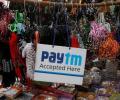
Paytm's Rs 18,300 crore IPO was oversubscribed 1.89 times on the last day of India's biggest share sale on Wednesday, making it one of the country's most valued companies. The initial public offering of Paytm's parent company One97 Communications Ltd received bids for 9.14 crore equity shares against the offer size of 4.83 crore shares, according to information available from stock exchanges. While the portion set aside for retail investors was oversubscribed early, institutional buyers including FIIs flooded the share sale with offers on Wednesday, seeking 2.79 times the number of shares reserved for them.

The Indian equity market valuation has been moving in tandem with the US 10-year treasury yield. While the benchmark US bond yield has witnessed a nearly 70 basis point decline since the end of October this year, dropping from 4.93 per cent to 4.23 per cent on Friday, the Sensex earnings yield has slipped by nearly 45 basis points - from 4.5 per cent to 4.05 per cent. Previously, Indian equities' earnings yields rose in sync with the US bond yields.

ICICI Bank was the biggest loser in the Sensex pack, slipping 2.81 per cent, followed by Mahindra & Mahindra, State Bank of India, UltraTech Cement, IndusInd Bank, Kotak Mahindra Bank, Tata Motors, Bajaj Finserv, Axis Bank and Power Grid. Tech Mahindra, Bharti Airtel, Infosys, Asian Paints, Hindustan Unilever, Larsen & Toubro and Titan were the gainers.

The NSE Nifty after regaining the 10,600-mark hit a high of 10,604.90 on the back of widespread gains, and finally concluded 72.25 points or 0.69 per cent higher at 10,584.75.

Yes Bank was the biggest gainer in the Sensex pack, climbing 4.08 per cent, followed by Tata Motors, ICICI Bank, Bajaj Auto, Coal India, Hero MotoCorp, HCL Tech, Vedanta, Sun Pharma, Axis Bank, Maruti, ITC, IndusInd Bank, TCS, HUL and SBI, rising up to 2.67 per cent.

Tata Steel was the top gainer in the Sensex pack, rallying 3.23 per cent, followed by SBI, Yes Bank, Hero MotoCorp, ICICI Bank and Bharti Airtel.

Among the Sensex firms, IndusInd Bank was the biggest loser and fell 6.13 per cent, followed by SBI (3.99 pc), Hindustan Unilever (3.82 pc), Axis Bank (3.41 pc) and HDFC Bank (3.23 pc). In contrast, Sun Pharma, Bharti Airtel, ICICI Bank and PowerGrid defied the trend and closed with gains of up to 3.67 per cent. TCS and Bajaj Finserve were the other gainers.

Last October's circular meant that downstream investment by such funds by way of subscription or acquisition of shares would have been considered "indirect foreign investment" if their investment manager or sponsor is owned or controlled by a non-resident. The finance ministry has now said that mutual funds that invest more than 50 per cent in equity shall be omitted from the Securities and Exchange Board of India (Mutual Funds) Regulations, 1996.

From the Sensex pack, Larsen & Toubro, JSW Steel, IndusInd Bank, Power Grid, ITC, Mahindra & Mahindra, NTPC, HDFC Bank, ITC, Reliance Industries and Tata Motors were among the major laggards. Bajaj Finserv, Asian Paints Bajaj Finance, Bharti Airtel and Axis Bank were among the gainers.
Among the Sensex firms, JSW Steel, Tata Motors, Tata Steel, Tata Consultancy Services, NTPC, Wipro, HCL Technologies, State Bank of India, Larsen & Toubro, UltraTech Cement, IndusInd Bank, Kotak Mahindra Bank, Power Grid and Reliance Industries Limited were the major laggards. Mahindra & Mahindra and Bajaj Finance were the gainers.

The pattern of a very strong foreign institutional investors buying that over-compensated for selling by the domestic institutions continued. Incidentally, Indian operators and retail traders are also net sellers.

Offloads stake in financial, auto and pharma sector companies.
